Source Top Grade Refined Rice Vermicelli for Stir-Fry, Soup, and Snacks
Compare 30 listings for top grade refined rice vermicelli sourced from China. Options include 300g and 454g packs with HACCP and ISO certifications, suitable for stir-fried dishes, soups, and cold preparations; compare the available evidence and request quotations based on your requirements.
Key considerations
Products List






Comprehensive Sourcing Guide
Top Grade Refined Rice Vermicelli Sourcing Guide
Buyers must first distinguish between general rice noodles and specific refined vermicelli varieties when initiating a procurement strategy. The available market data indicates that top-grade options often originate from China, with specific models like KNNB2 and KN616 representing distinct product lines. Sourcing decisions should prioritize suppliers who explicitly list "Refined" processing types and "Top Grade" quality classifications to ensure the final product meets the expected texture and purity standards required for high-end food service applications.
Procurement teams should also verify the raw material composition, as the supply chain frequently utilizes white rice or top-grade rice as the primary ingredient. While some listings specify "Non-GMO" attributes, others may not, requiring buyers to confirm this detail during the initial inquiry phase. Understanding these material distinctions is critical because the raw material quality directly influences the final noodle's chewiness, smoothness, and ability to absorb flavors during cooking, which are essential for dishes ranging from stir-fries to soups.
Product Scope and Observed Listing Signals
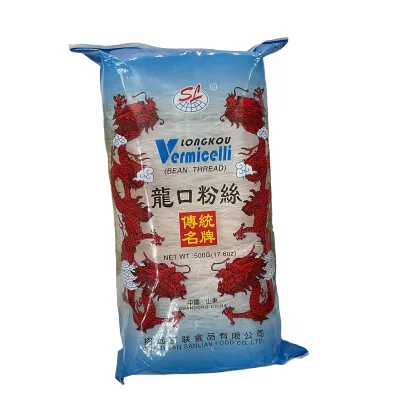
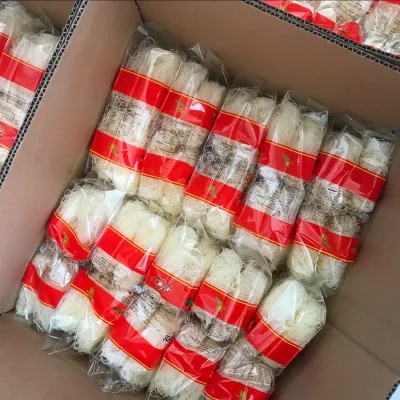
The observed product range demonstrates significant variability in packaging formats, with net weights commonly listed as 454 grams or 16 ounces, though smaller 300g and 200g options are also available. Buyers should note that packaging often involves plastic bags contained within cartons, with standard configurations including 60 bags per carton or 30 bags per carton. This variation in unit size and bulk packaging requires careful alignment with the buyer's storage capacity and distribution requirements to avoid logistical inefficiencies.
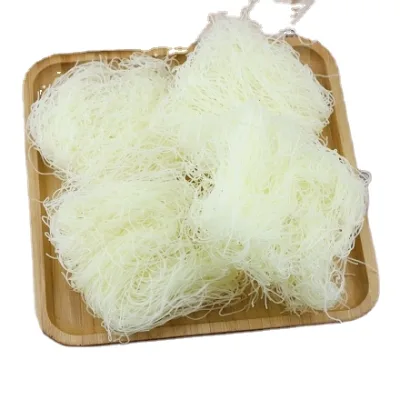
Visual and textural attributes are equally important when evaluating product listings, as the target items are typically described as having a slim appearance and a smooth, chewy taste profile. The drying process results in a white-colored product that is designed for easy cooking, with preparation times generally ranging from three to five minutes. These sensory and functional characteristics define the product's suitability for fast food applications and traditional Asian cuisine, making them key verification points during the selection process.
Technical Specifications to Verify
Shelf life and storage requirements are critical technical parameters that vary slightly between suppliers, with some products guaranteeing a two-year shelf life while others specify a minimum of twelve months. Buyers must confirm the specific storage method, which is typically recommended as a cool and dry place, though some listings simply state "normal" storage conditions. Verifying these environmental constraints is essential to prevent spoilage and ensure the product maintains its structural integrity and texture throughout the supply chain.
Cooking instructions and serving suggestions provide further technical clarity, with most products requiring boiling in water before consumption. The versatility of the refined rice vermicelli allows for multiple preparation methods, including stir-frying, soup cooking, cold dishes, and deep frying. Procurement teams should ensure that the selected product model supports these specific culinary applications, as the physical form and thickness of the noodles will determine their performance in different cooking techniques.
Compliance and Safety Documentation
Certification status is a primary indicator of supplier reliability, with the majority of top-grade listings displaying BRC, FDA, HACCP, and ISO certifications. These credentials suggest that the manufacturing facilities adhere to rigorous international food safety standards, which is particularly important for buyers targeting regulated markets in North America or Europe. Buyers should request current copies of these certificates to verify that the specific production batch or facility holds valid accreditation before finalizing any purchase agreement.
Health and safety documentation should also include details regarding the processing type, which is often listed as "refined" for these premium products. While some suppliers explicitly state that their products are non-GMO, this attribute is not universal across all listings. It is imperative for buyers to confirm the organic status and any specific health claims, as the absence of organic certification does not preclude high quality, but it does require a clear understanding of the product's origin and processing standards.
Cost Drivers and Commercial Terms
Pricing structures in this category show a wide observed range, spanning from $0.55 to $2000, which likely reflects differences in order volume, packaging complexity, and specific product models. The minimum order quantity (MOQ) also varies significantly, ranging from a single unit to 3000 units, allowing flexibility for both small-scale testers and large-volume distributors. Buyers must analyze their specific volume needs against these MOQ thresholds to optimize their unit cost and avoid unnecessary inventory holding expenses.
Lead times and payment terms are additional commercial factors that influence the total cost of ownership, with delivery times typically estimated at 15 to 25 days after the receipt of a deposit. This timeline suggests a standard production and shipping cycle that buyers must incorporate into their inventory planning. Understanding these lead times is crucial for maintaining supply continuity, especially when sourcing from China, as delays in the deposit or shipping process can impact the availability of stock for critical food service operations.
Supplier Qualification and Quality Control
Supplier location and address details are often provided, with specific examples including facilities in Jiangsu and Jiangxi provinces, such as the address at No.12 Minzhi Road in Nanjing. While these details confirm the geographic origin, buyers should conduct independent due diligence to verify the operational capacity and reputation of the specific entity. Relying solely on the listed address without cross-referencing business registration or past performance can expose the buyer to potential risks regarding delivery reliability and product consistency.
Quality control should extend beyond the initial product sample to include ongoing monitoring of the "Grade A" or "Top Grade" claims. Since the product is classified as a fast food item with specific texture requirements, buyers must establish clear acceptance criteria for attributes like color, form, and taste. Implementing a robust quality assurance protocol that includes random sampling and third-party testing can help ensure that the refined rice vermicelli consistently meets the high standards expected by end consumers.
Long-Term Procurement Checks
Sustainability and supply chain resilience are becoming increasingly important for long-term procurement strategies, particularly given the reliance on rice as a primary raw material. Buyers should assess the supplier's ability to maintain consistent raw material sourcing, especially in the face of agricultural fluctuations or trade policy changes. Establishing a diversified supplier base or securing long-term contracts can mitigate the risk of supply disruptions and ensure a steady flow of top-grade refined rice vermicelli.
Continuous performance evaluation is necessary to maintain the quality and compliance standards established during the initial sourcing phase. Buyers should regularly review supplier adherence to certifications like BRC and HACCP, as well as their ability to meet delivery timelines and quality specifications. By maintaining a proactive approach to supplier management, organizations can ensure that their procurement of refined rice vermicelli remains efficient, compliant, and aligned with their long-term business objectives.
FAQs
What is the shelf life of top grade refined rice vermicelli?
The shelf life is typically 24 months or more than 12 months when stored correctly. You must keep the product in a cool and dry place to maintain quality. This ensures the noodles remain fresh and safe for consumption throughout the entire storage period without spoilage or texture degradation.
How should top grade refined rice vermicelli be cooked?
Cooking time is approximately 3 to 5 minutes for optimal texture. You can stir-fry, cook in soup, prepare cold dishes, or deep fry the noodles. The product features an easy cook attribute, making it convenient for fast food applications and quick meal preparation in commercial kitchens.
Which certifications do top grade refined rice vermicelli suppliers hold?
Suppliers typically hold BRC, FDA, HACCP, ISO, and Health certifications. These credentials ensure compliance with international food safety standards and quality management systems. Buyers can verify these documents to confirm that the manufacturing processes meet rigorous regulatory requirements for export and domestic distribution channels.
What is the standard packaging for top grade refined rice vermicelli?
Packaging usually consists of plastic bags inside cartons. Standard specifications include 454g times 60 bags or 454g times 30 bags per carton. Some variants offer 300g or 400g packing options. This structure protects the product during transit and facilitates efficient storage and handling in warehouses.
Can top grade refined rice vermicelli be customized for buyers?
Yes, customization is available for specific buyer requirements. Manufacturers can adjust specifications such as weight, packaging, or processing types to match your needs. This flexibility allows businesses to tailor the product to their brand identity or specific distribution channel requirements effectively.
What is the lead time for top grade refined rice vermicelli orders?
Delivery time is generally 15 to 25 days after receipt of the deposit. This timeframe allows for production scheduling and quality control checks. Buyers should plan their inventory accordingly to ensure timely availability of stock for their retail or food service operations.